From Niche to Nine Figures: The Data Behind Sim Racing's $5.9 Billion Market
Here's something wild:
In 2025, more money flowed into sim racing hardware than into the entire global market for acoustic guitars.
Think about that for a second. A category that barely existed 15 years ago-simulator racing equipment-is now outspending instruments that have been around for centuries.
The numbers are staggering. The global sim racing market hit $1.56 billion in 2025 and analysts project it will reach $5.94 billion by 2032. That's a 21.3% compound annual growth rate-faster than cloud computing. Faster than electric vehicles. Faster than almost any consumer tech category you can name.
But raw numbers don't tell the full story. The real story is who's buying and why they're spending.
The Hardware Revolution No One Saw Coming
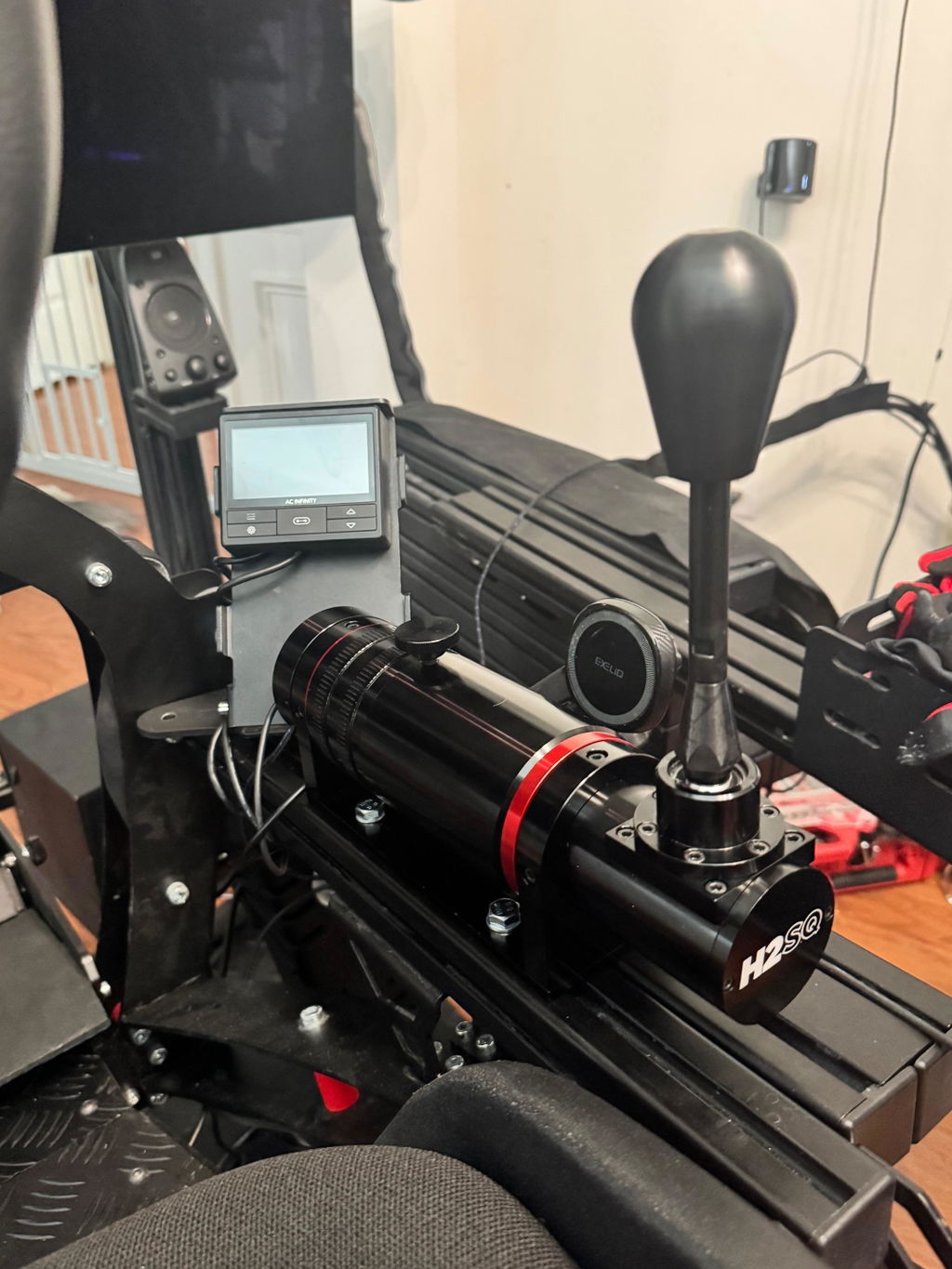
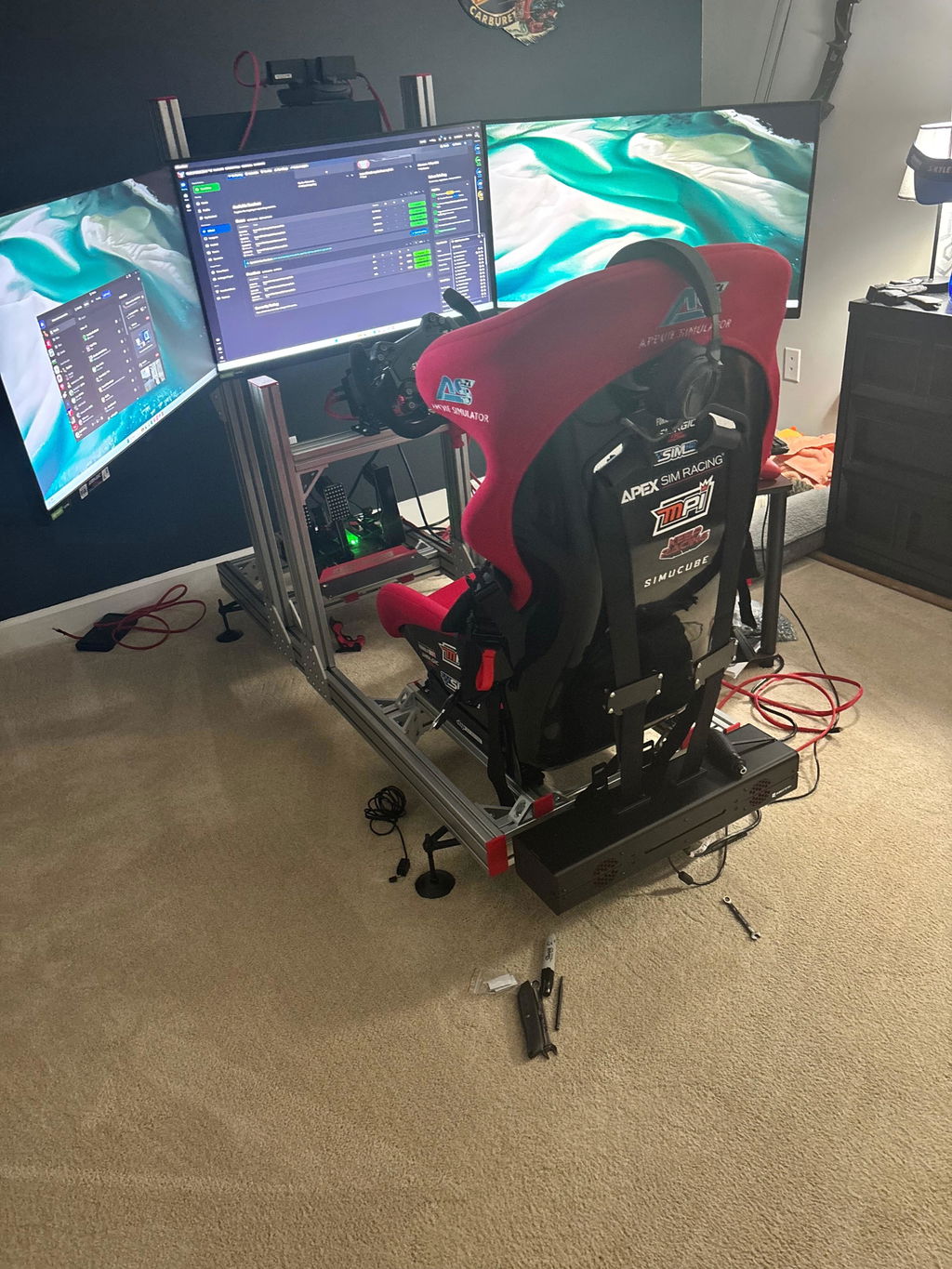
Walk into any serious sim racer's setup today and you'll see something that would have been unimaginable in 2015: direct-drive wheels capable of 20+ Nm of torque, load-cell pedals that measure pressure down to the gram, and motion platforms that can simulate 3G of lateral force.
This isn't gaming equipment. It's precision machinery.
According to market research, hardware accounts for 45% of total market share-and within that, wheels and wheel bases dominate. Not software. Not subscriptions. Physical metal, carbon fiber, and brushless motors that people bolt to aluminum profiles in their spare bedrooms and garages.
This matters because hardware purchases are commitments. You don't drop $3,000 on a direct-drive bundle on a whim. You do it because you're serious. And the data says there are more serious people entering this space every single month.
The Professionalization of Pixels
Here's where it gets interesting.
When analysts segment the sim racing market, they split it into two categories: professional application and amateur application.
The professional segment includes:
-
Racing teams using sims for driver development
-
Esports organizations fielding competitive teams
-
Racing academies training the next generation of drivers
-
Commercial experience centers selling track time to customers
The amateur segment is everyone else.
You'd expect the amateurs to dominate, right? Hobbyists always outnumber pros.
Not in sim racing.
Professional application accounts for 61% of the market. The majority of sim racing spend comes from people and organizations using this equipment for commercial or competitive purposes.
Think about what that means. The sim racing industry isn't built on casual gamers playing Forza. It's built on:
-
F1 drivers running 200-lap simulator sessions before race weekends
-
Esports athletes training 8 hours daily for tournaments with six-figure prize pools
-
Racing schools running full curricula on motion platforms before students ever touch a real car
-
Experience centers charging customers by the hour to drive virtual Suzuka in a full-motion rig
These users don't mess around. They need equipment that works. Every time. For hours on end. Without failure, without drift, without compromise.
The Geography of Growth
North America currently leads the market, but the fastest growth is happening in Europe. Meanwhile, Asia-Pacific manufacturers like Logitech, Thrustmaster, and MOZA Racing control significant portions of their home markets.
But here's what the geographic data really reveals: sim racing is now a truly global phenomenon. You'll find serious rigs in Tokyo apartments, German basements, Australian garages, and Brazilian gaming cafes. The community speaks every language but shares one obsession: the pursuit of the perfect lap.
What This Means for Your Next Purchase
If you're reading this, you're probably part of the 39%-the amateur segment that still represents hundreds of millions in annual spend. But here's the thing about that 61% professional number:
It sets the standard for everyone.
When over half the market demands professional-grade reliability, the entire industry adapts. Entry-level gear gets better. Mid-range gear inherits technology from flagship products. The quality floor rises for everyone.
This is why you can now buy a sub-$1,000 direct-drive wheel. This is why motion systems that cost $50,000 five years ago are now available for under $5,000. The pro market drives innovation; the amateur market benefits from economies of scale.
For anyone still wondering whether dropping serious money on a rig is "worth it"-the market has already answered. $5.9 billion by 2032. 21% annual growth. 61% professional adoption.
You're not buying a toy. You're investing in precision engineering backed by an industry that's outpacing cloud computing and electric vehicles.
The only question left isn't whether sim racing is worth it. It's whether you're ready to join the millions who already know it is.
The sim racing boom isn't coming. It's here. And it's bigger than anyone predicted.
➡️ Build a Complete Simulator with Apevie
Image credit: Lovely Mangubat